Classes
Classes of the Realm
This chapter explains how published D&D classes fit into Teradill. It does not replace or modify class mechanics.
How to Use This Chapter
D&D Beyond Rules Compatibility
This chapter explains how published D&D classes fit into Teradill. It does not replace or modify class mechanics.
- Default rules: This guide assumes D&D Beyond 5.5e, the revised 2024 rules used for this campaign.
- 5e characters: A player may instead build a complete character using the 2014 5e rules, but should use one rules generation consistently rather than mixing 5e and 5.5e versions of the same character options.
- Published mechanics: Use the selected D&D Beyond class and subclass exactly as published. Teradill changes the class’s social role, training, appearance, institutions, and vocabulary—not its rules.
- No required homebrew: Foci, Starshard housings, springpunk tools, devotional symbols, musical practices, and other Teradill details are narrative descriptions unless a published feature already gives them mechanical meaning.
- Updated Artificer: Artificer uses the published 5.5e-compatible class from Eberron: Forge of the Artificer on D&D Beyond.
- Custom options: Any future custom class, subclass, feat, spell, or item should be included only after it can be deliberately built, tested, and supported in D&D Beyond.
This chapter explains how the standard D&D classes fit into Aeloria and the Grand Scholarium. It is not meant to limit what you can play. It is meant to help you answer a better question:
“What does this class look like in Teradill?”
A fighter in Aeloria may be a dueling-club champion, a bridge-guard cadet, a veteran caravan escort, or a springblade specialist from Kassaryn. A wizard may be a formal student of Arcane Geometry. An artificer may be a Measure Yard technician with grease on their cuffs and a half-legal patent in their desk. A cleric may pray before an old moon-shrine with a Starshard set into their holy symbol, while a bard feels the room change before anyone else can measure it.
The class mechanics remain recognizable at the table. The setting changes how those powers are understood, taught, feared, licensed, exploited, or revered.
What Most People Know About Magic
Most people in Aeloria know that magic exists. They see cold lamps glowing in city streets, liftworks moving cargo, warded bridges humming under moonlight, healers laying hands on the wounded, and scholars arguing over Starshard calibration.
That does not mean most people understand magic.
The common citizen knows practical truths:
- Starshards are valuable and dangerous.
- The moons affect weather, tides, dreams, and magical instability.
- Some people can do things others cannot.
- Old ruins, strange forests, and unlicensed laboratories should be treated carefully.
- Priests, scholars, engineers, performers, hedge-witches, and soldiers may all call on powers that look similar from the outside.
The true nature of Aether remains a mystery. Universities, temples, guilds, and hidden traditions all have theories. Some are useful. Some are wrong. Some are incomplete. Some are close enough to be dangerous.
For player characters, this means your class does not need to come with a full explanation of reality. Your character may know what they were taught, what they believe, what works for them, and what they are afraid to question.
The Public Traditions of Power
Aelorians do not usually divide magic into “arcane,” “divine,” and “primal” in the same clean way that rulebooks do. They are more likely to talk about traditions of practice.
The Measured Arts
The Measured Arts are the traditions of diagrams, devices, formulae, written patterns, engineered foci, and laboratory procedure. Wizards and artificers are the most visible practitioners, though many fighters, rogues, and military engineers use measured tools as well.
To the public, the Measured Arts are scholarly, respectable, expensive, and occasionally explosive.
The Faithful Arts
The Faithful Arts are practiced through prayer, vows, holy symbols, sacred rites, and devotion to the old gods, moon traditions, local saints, ancestral powers, or philosophical orders.
Clerics and paladins are the clearest examples. Auralian scholars may debate the mechanisms. The faithful usually do not care. A miracle that saves a child from fever is a miracle.
The Harmonic Arts
The Harmonic Arts are poorly understood. Song, rhythm, breath, poetry, dance, chant, story, and emotional intensity can all shape magical effects in the hands of rare people.
Bards are the best-known practitioners. Many scholars find them irritating because bards can produce effects that look effortless where a wizard would need chalk, lenses, notation, and three assistants holding measuring rods.
The Innate Arts
Some people do not learn magic in a classroom or temple. Their bodies, bloodlines, minds, scars, or souls are unusually receptive to power. These people may be called sorcerers, innate casters, moon-touched, shard-marked, blessed, cursed, unstable, inspired, or dangerous depending on who is speaking.
The Wild and Living Arts
Druids and certain old forest traditions speak of life, growth, balance, breath, root, hunger, decay, and renewal in ways that do not fit comfortably into Auralian Aether theory. Most people outside those circles understand very little about them.
To many citizens, a druid is not “a nature wizard.” A druid is something older, stranger, and less easily measured.
The Martial Arts
Not every class is a spellcaster, but every class exists in a world changed by magic. Soldiers drill under moonlit alarm bells. Monks train breath and body with terrifying precision. Rangers read terrain that may hum with invisible force. Rogues learn which locks are mechanical, which are magical, and which are both.
In Teradill, being nonmagical does not mean being ordinary.
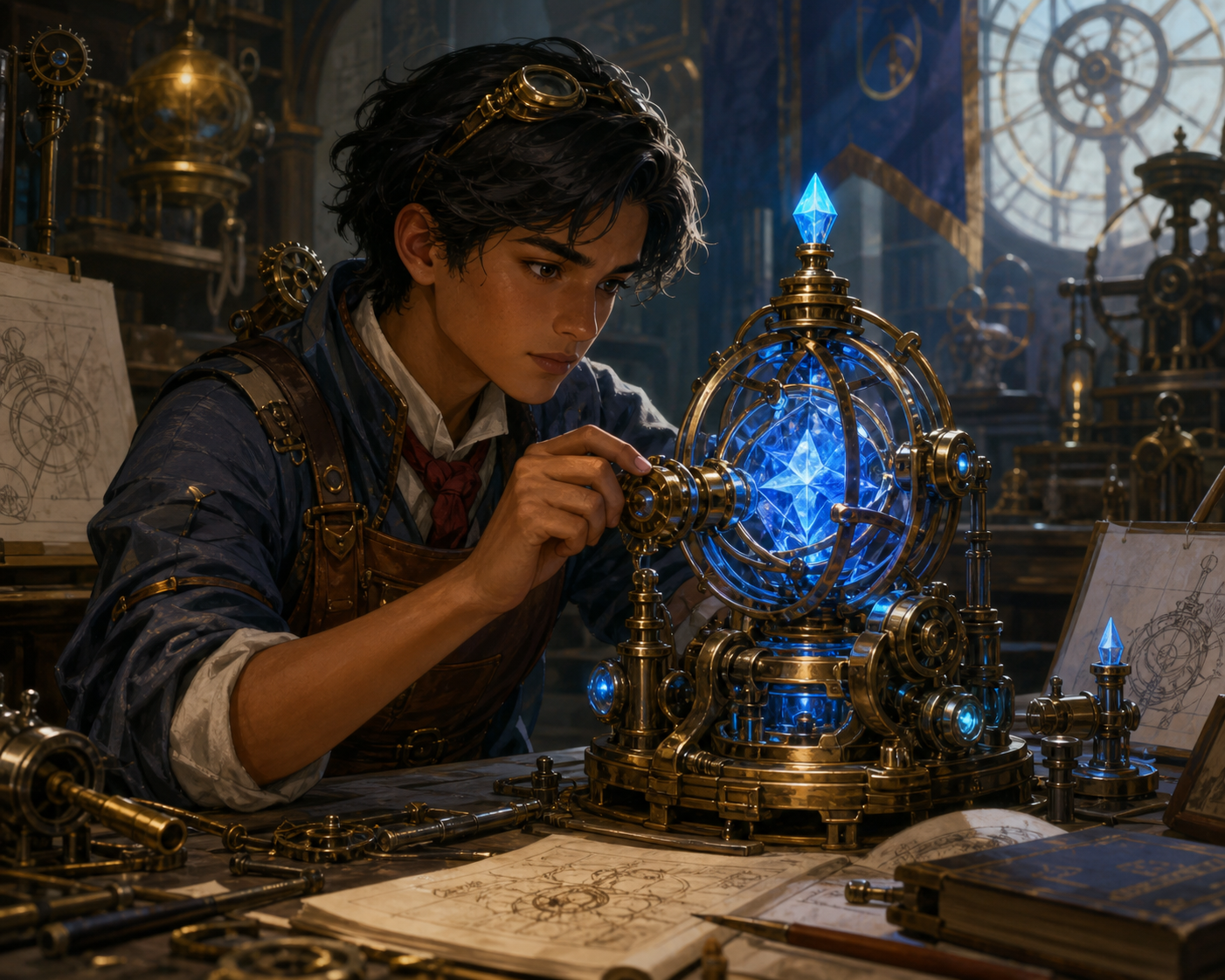
Artificer
Artificers are everywhere in modern Aeloria. If wizards are the theorists of magic, artificers are the people who ask whether the theory can lift a bridge, seal a wound, power a l…
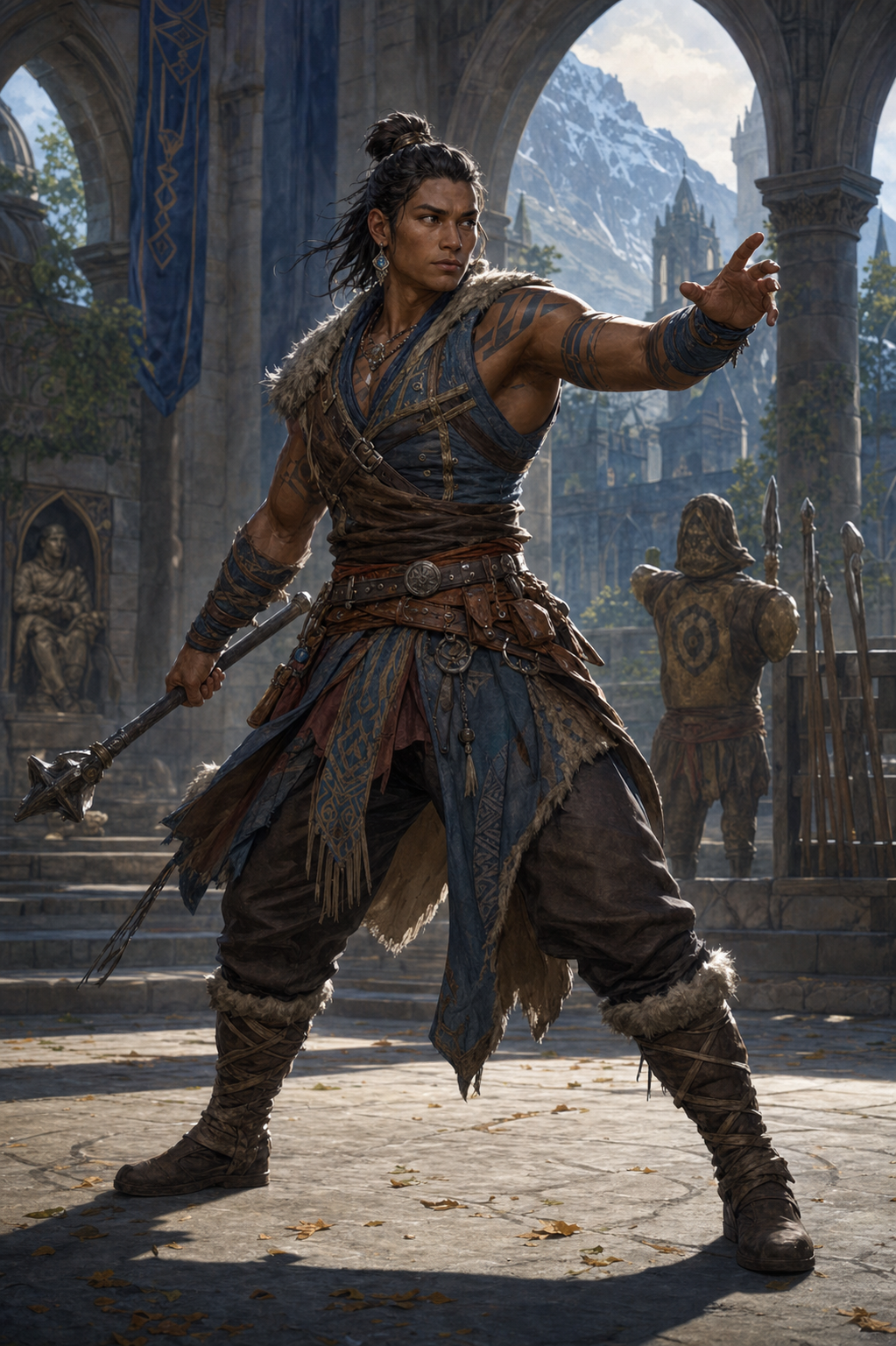
Barbarian
Aeloria’s cities often misunderstand barbarians. Polite society may imagine them as uncivilized brutes from the frontier, but that is a lazy and usually wrong assumption.
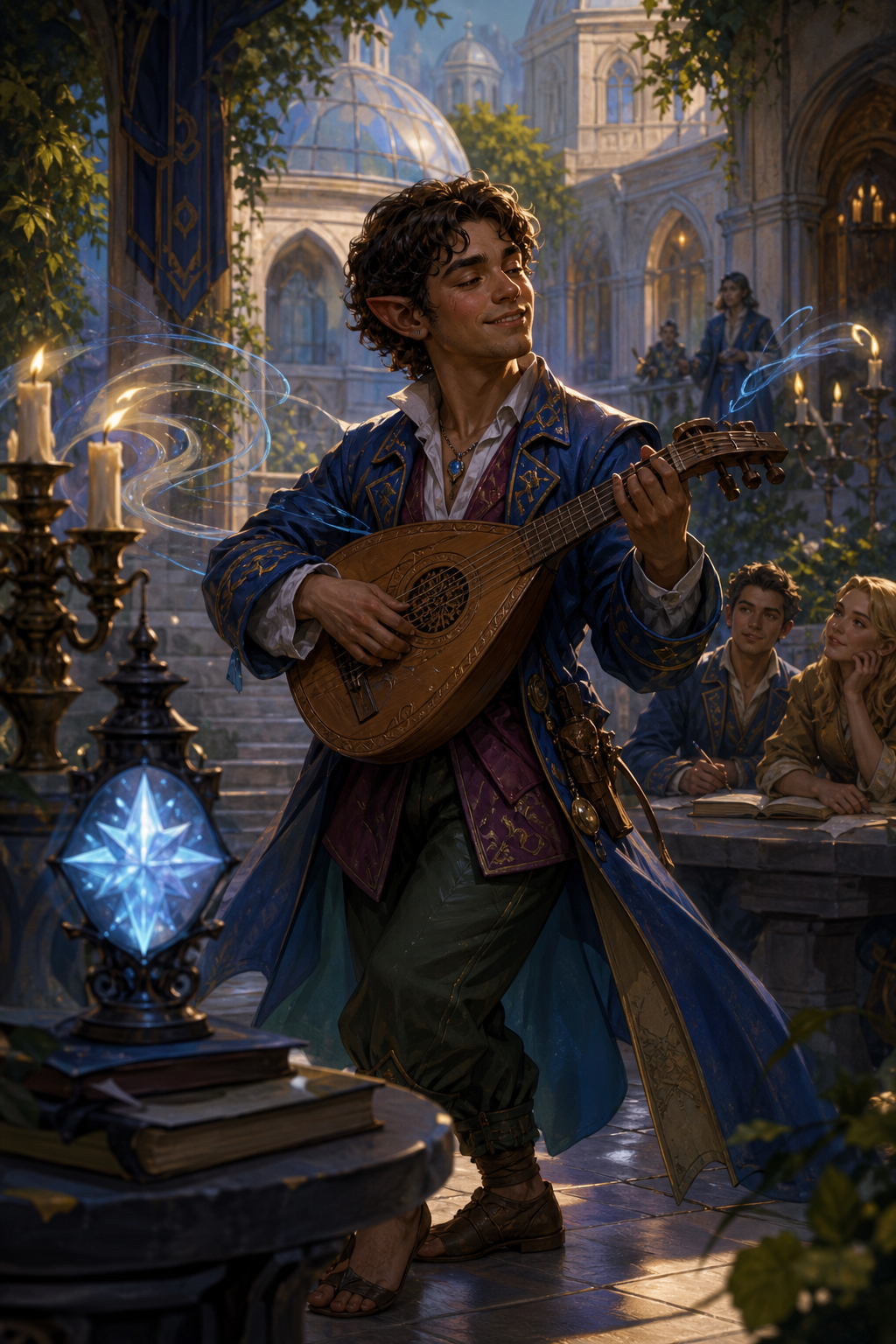
Bard
Bards make wizards nervous.
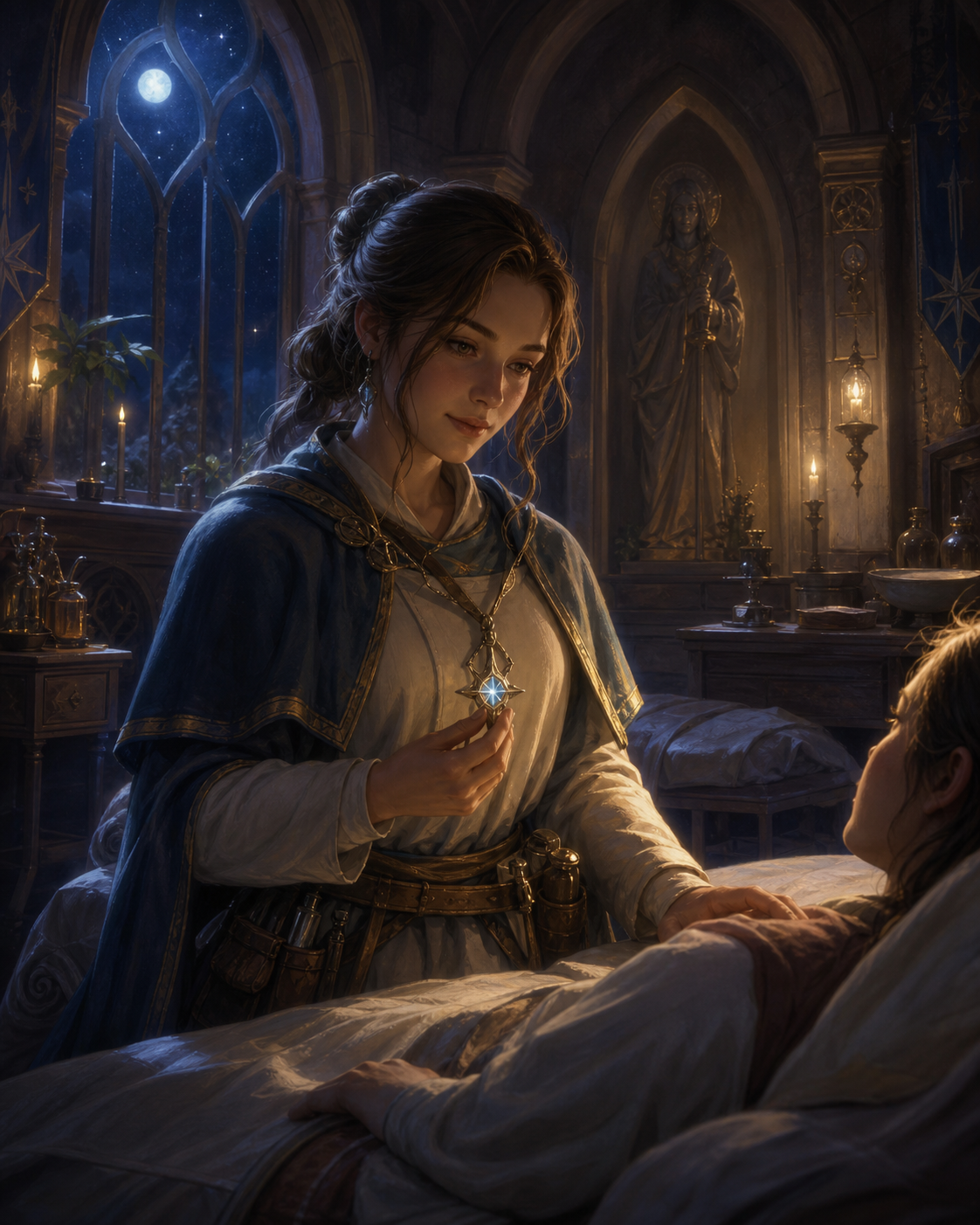
Cleric
Clerics are the most visible miracle-workers in Aeloria. They serve temples, shrines, moon chapels, battlefield infirmaries, old village sanctuaries, civic hospitals, and philosop…
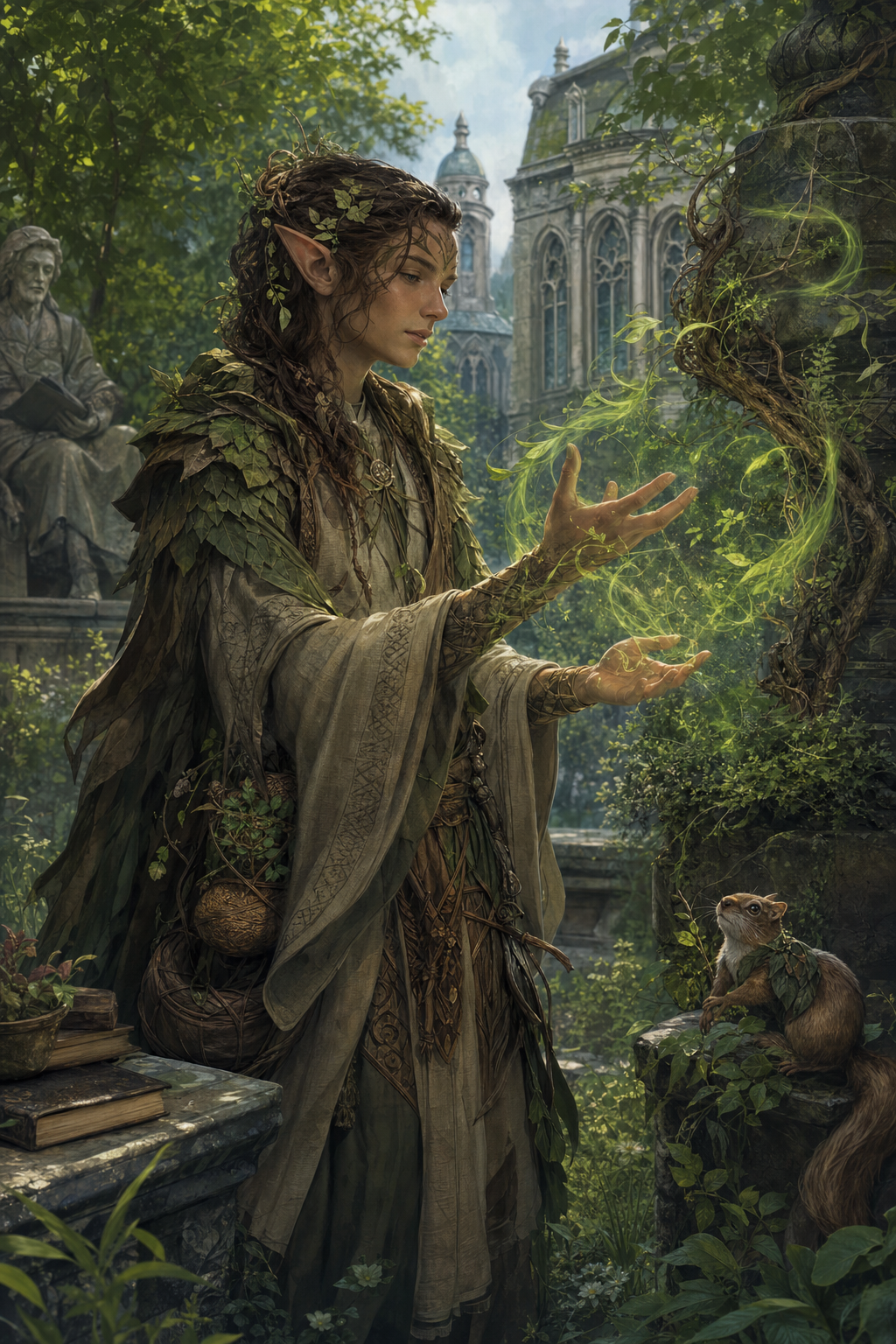
Druid
Druids are rare in Aeloria, and most people do not understand them.
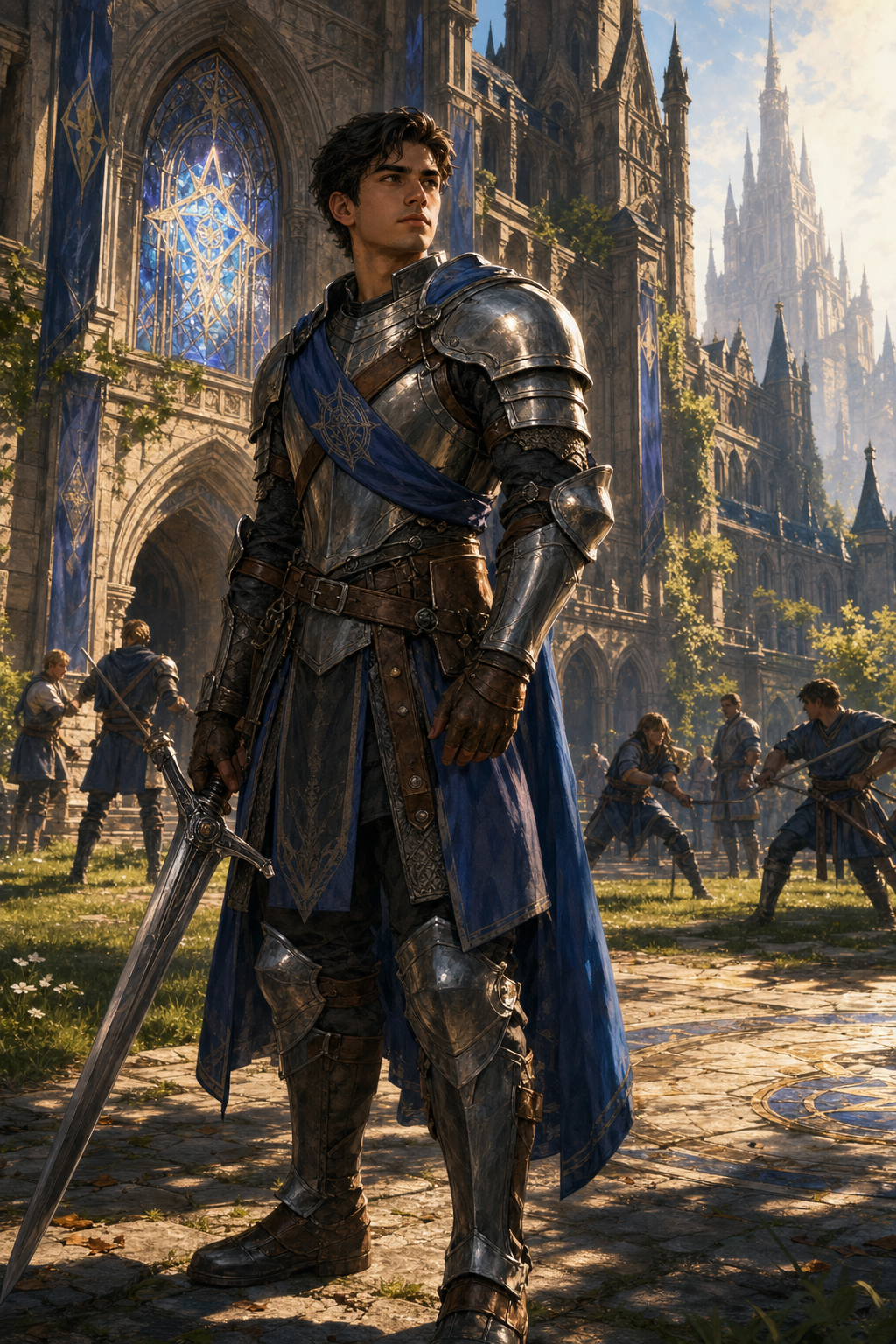
Fighter
Fighters are the most common adventurers in Aeloria because danger is not solved by theory alone. Someone has to stand on the bridge when the ward fails. Someone has to escort the…
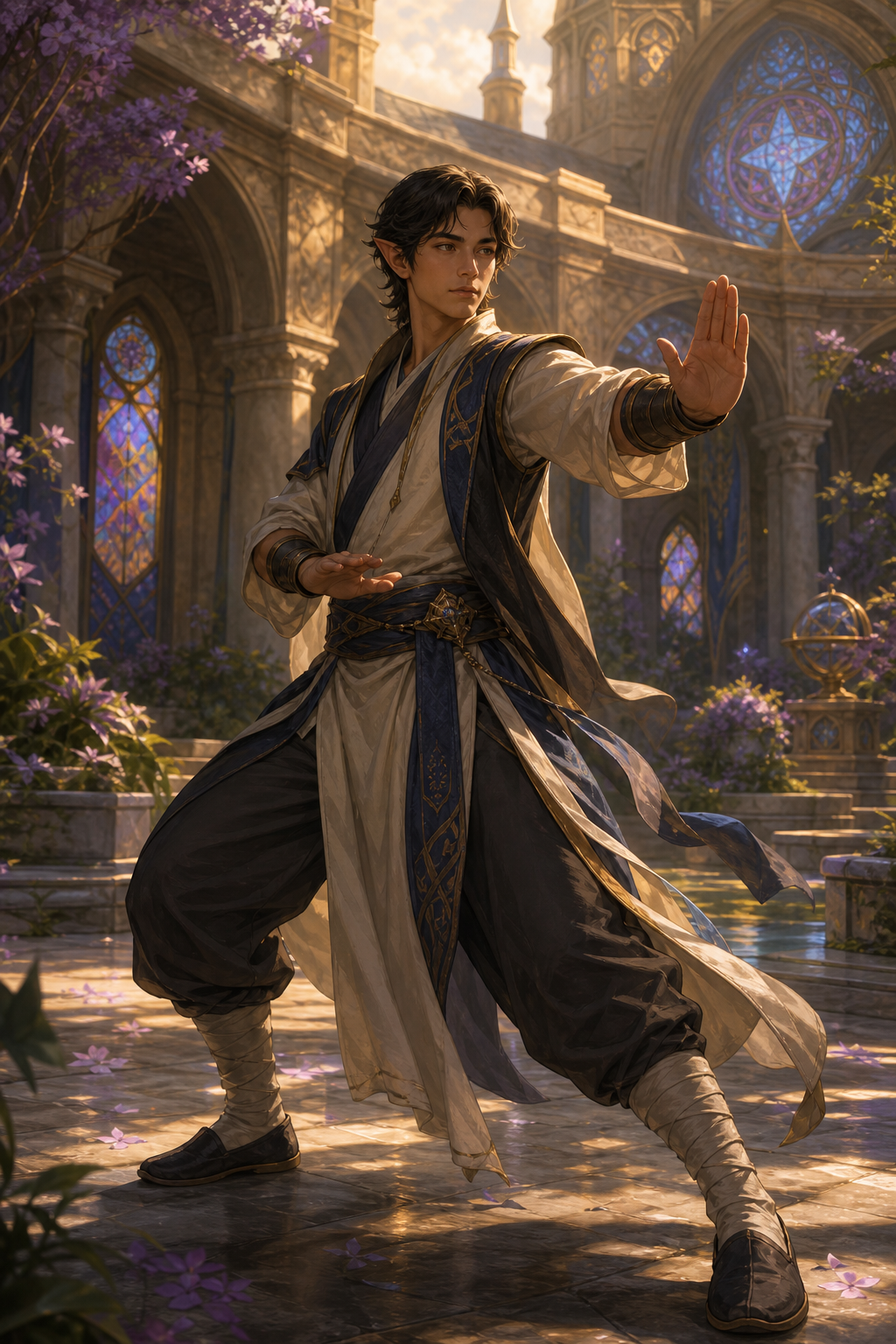
Monk
Monks are uncommon in Aeloria, but not unknown. They belong to traditions that treat the body as an instrument of discipline, perception, breath, and will.
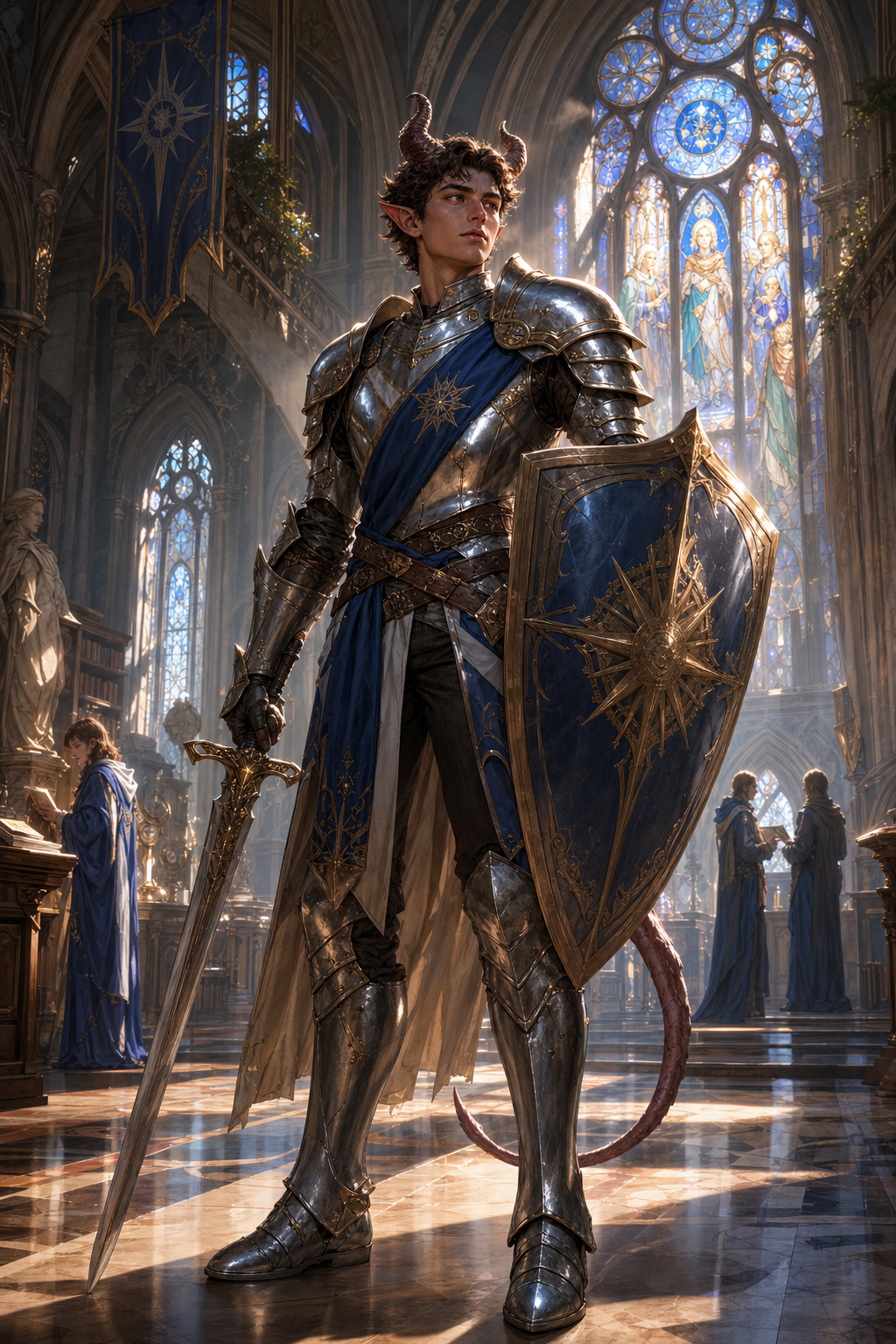
Paladin
Paladins are oath-bound champions. They may serve gods, crowns, temples, knightly orders, civic ideals, ancestral duties, or personal vows so powerful that breaking them would bre…
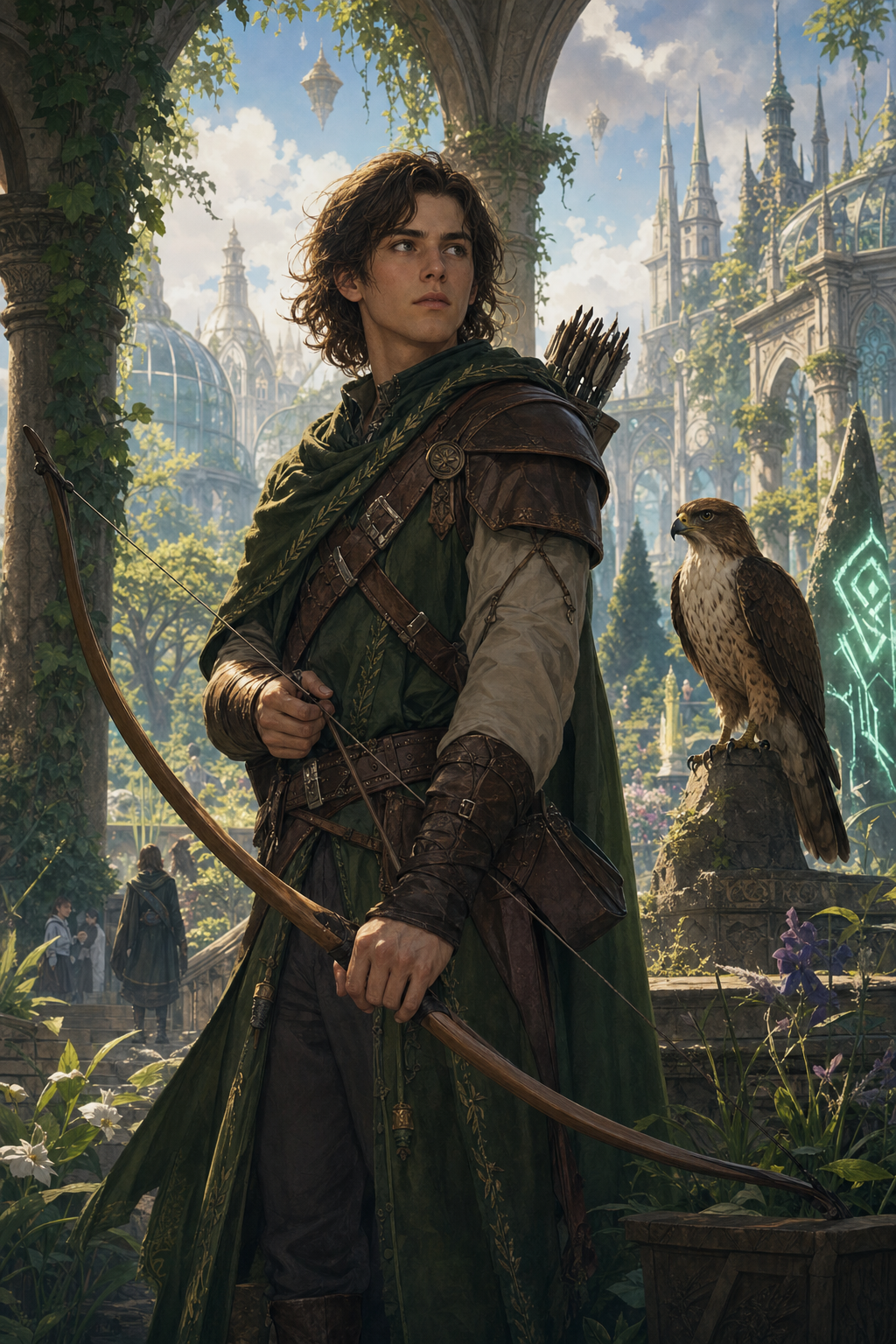
Ranger
Rangers are experts in the places where maps become lies.
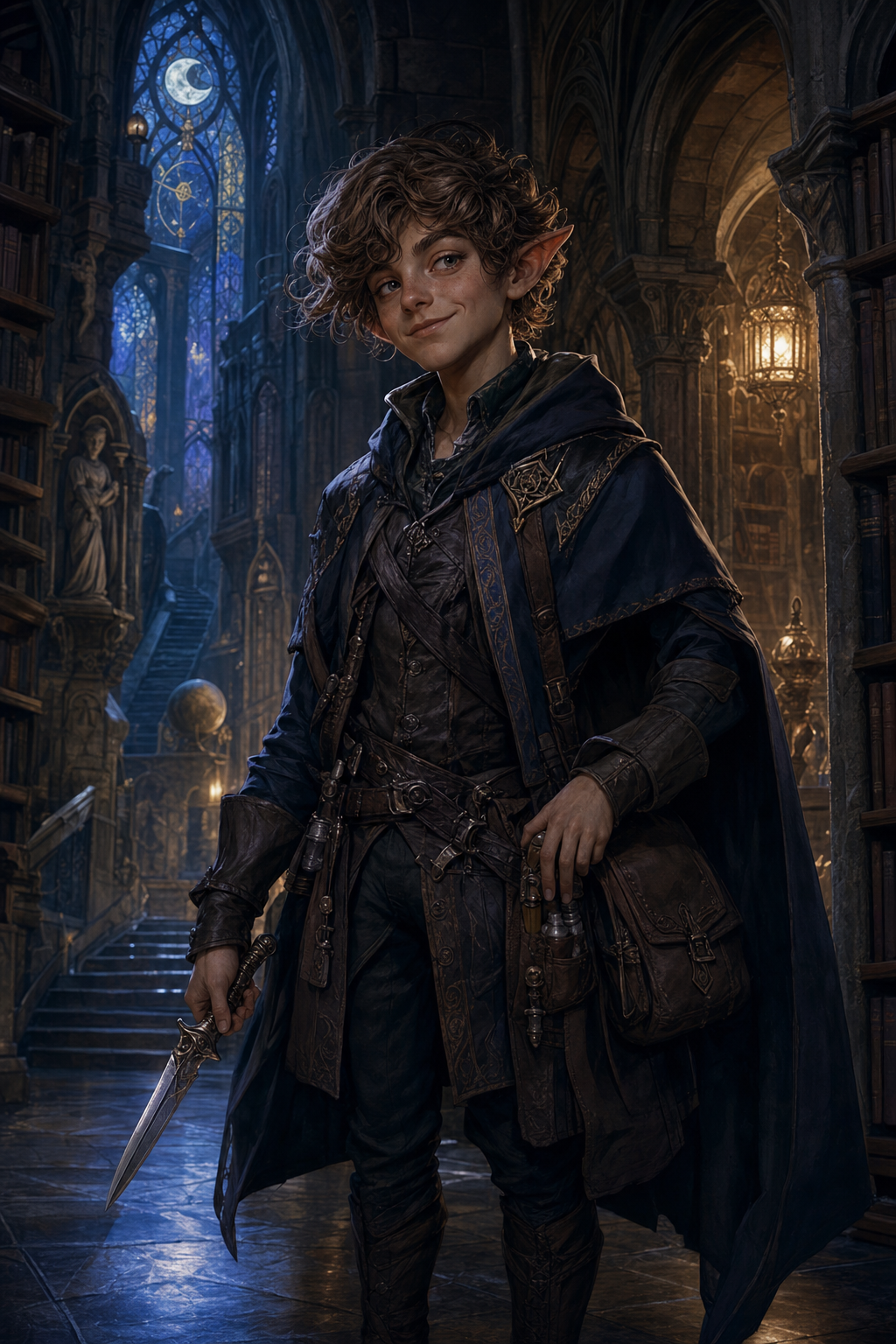
Rogue
Rogues are essential in Aeloria because every lock has a story, every archive has a missing page, every patent has a rival, and every respectable institution has at least one door…
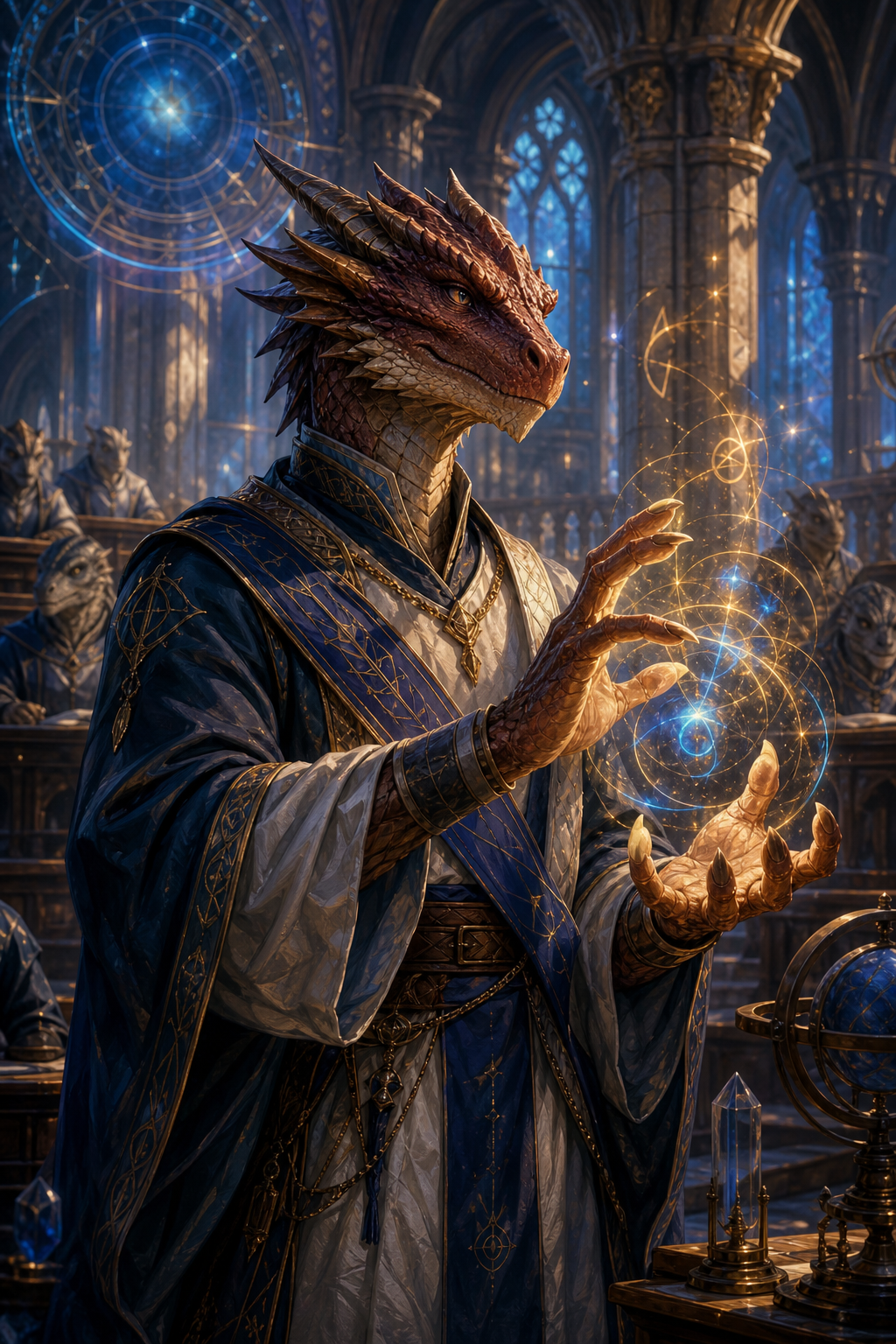
Sorcerer
Sorcerers are rare, powerful, and often poorly understood.
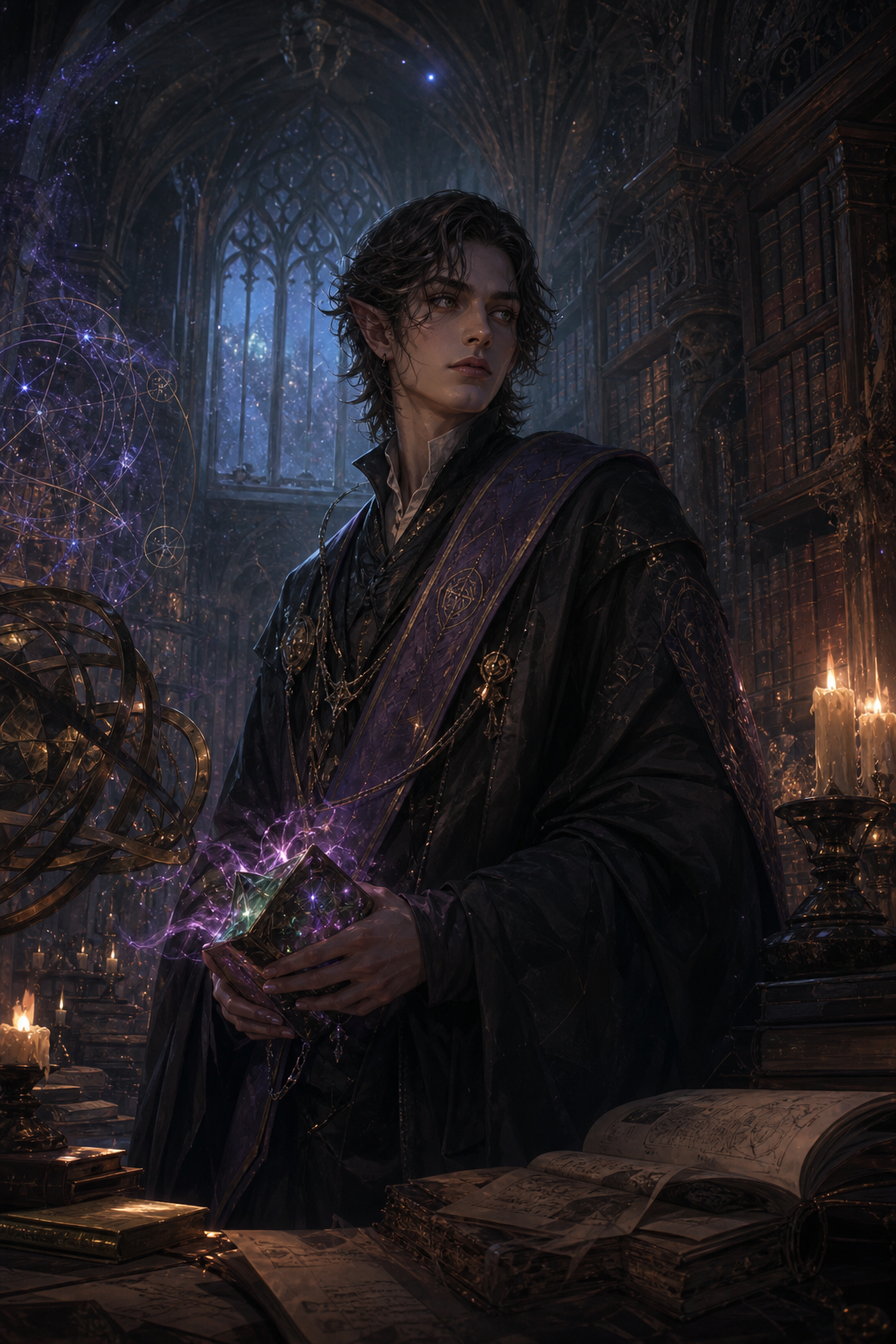
Warlock
Warlocks are defined by relationship.
Wizard
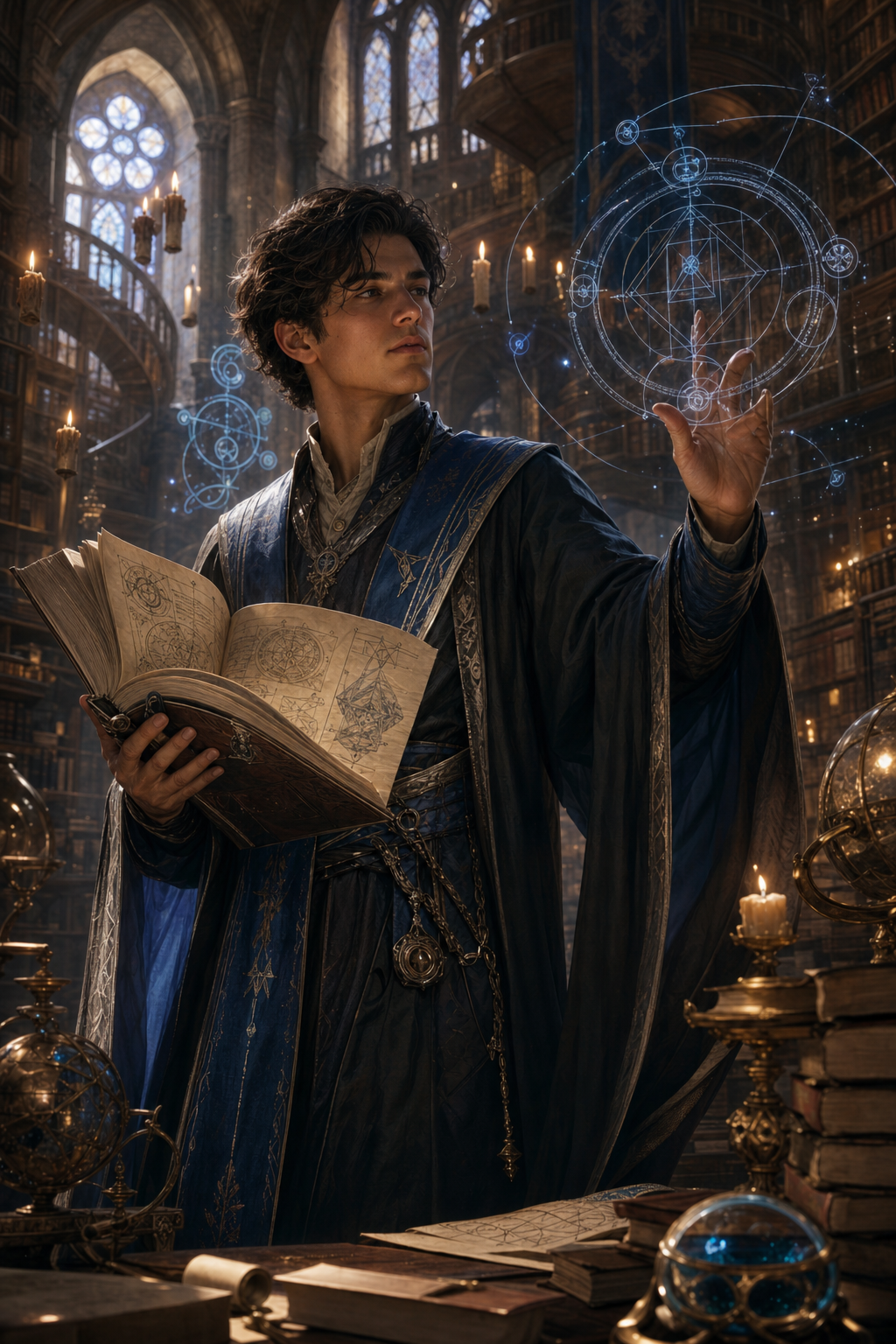
Wizards are the pride and headache of the Grand Scholarium.
Multiclass and Unusual Characters
Teradill is especially friendly to characters who blur class lines. A fighter may study artificer techniques. A bard may attend wizard lectures just to argue with them. A cleric may work in a hospital beside rationalist surgeons. A ranger may learn druidic rites from a forest elder. A rogue may understand locks better than the artificer who designed them.
If your character multiclasses or combines traditions, ask:
- Which tradition trained you first?
- Which tradition do you trust most?
- Which tradition misunderstands you?
- What do you call your own power?
- What would your teachers argue about if they were all in the same room?
The Grand Scholarium is a perfect place for this kind of tension. It is a school, a political institution, a research engine, a social battlefield, and a magnet for secrets.
Campus Roles for Any Class
Any class can belong at the Grand Scholarium. You do not need to be a wizard to matter in campus life.
Possible student roles include:
- scholarship student,
- noble student,
- exchange student,
- apprentice technician,
- fieldwork assistant,
- campus guard cadet,
- medical trainee,
- debate champion,
- student journalist,
- athletic rival,
- archive assistant,
- laboratory survivor,
- club officer,
- patent applicant,
- smuggler’s child trying to go legitimate,
- or the one person in the group who actually read the safety manual.
Character-Building Questions
When building a Scholarium-connected character, consider these questions:
- Why are you at the Grand Scholarium?
- Who believes you belong here?
- Who believes you do not?
- What does your class tradition teach you about power?
- What does your tradition get wrong?
- What do you want badly enough to risk your reputation?
- What invention, theory, oath, song, prayer, secret, or discovery could change your life?
Your class is not just a combat role. In Aeloria, it is a way of standing in a world where faith, machinery, song, scholarship, survival, and mystery all reach toward the same impossible sky.